DISCOVER ISTANBUL,
STAY IN THE HEART OF
THE CITY

high-angle-view-istanbul-cityscape

Karaköy is a Unique District

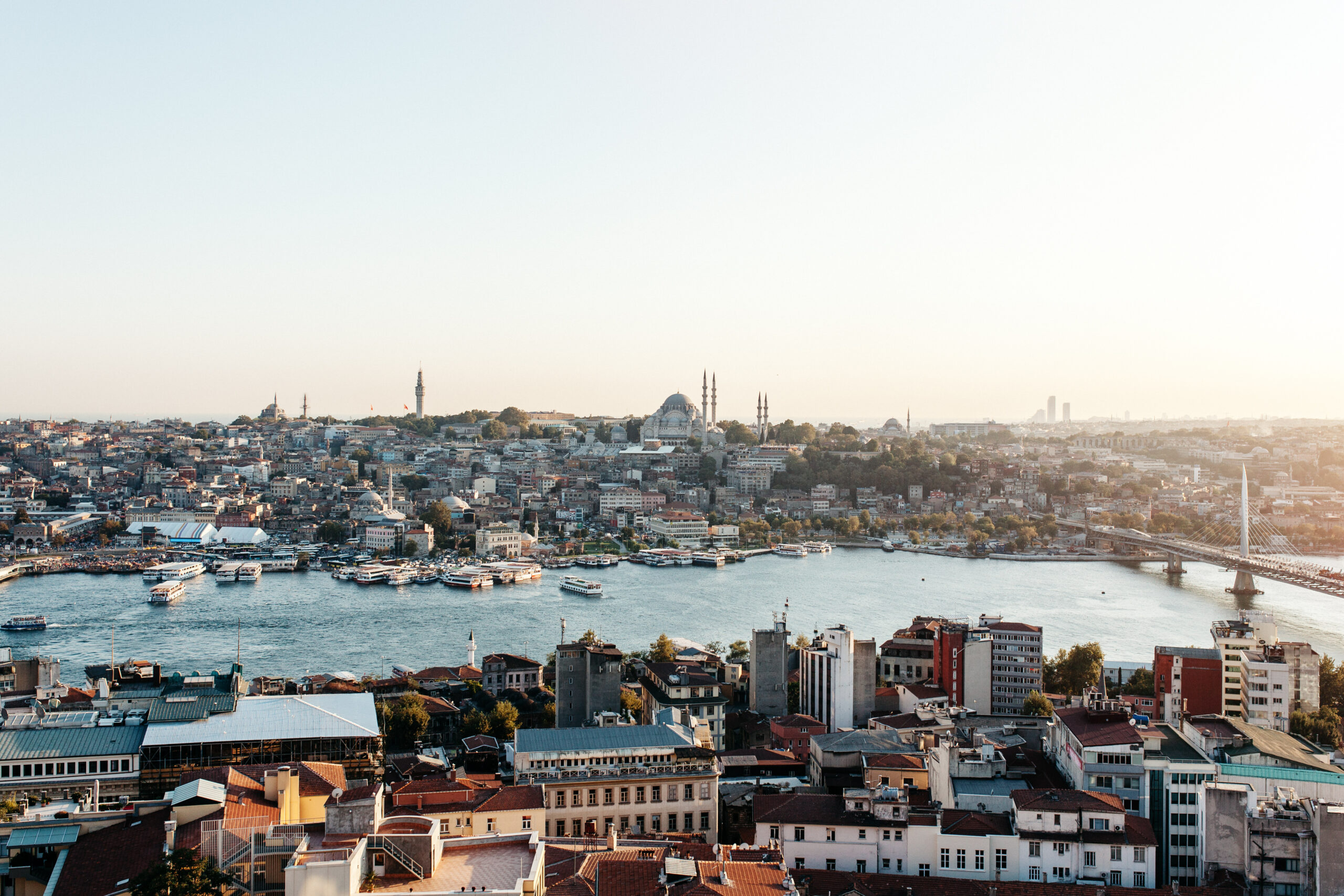
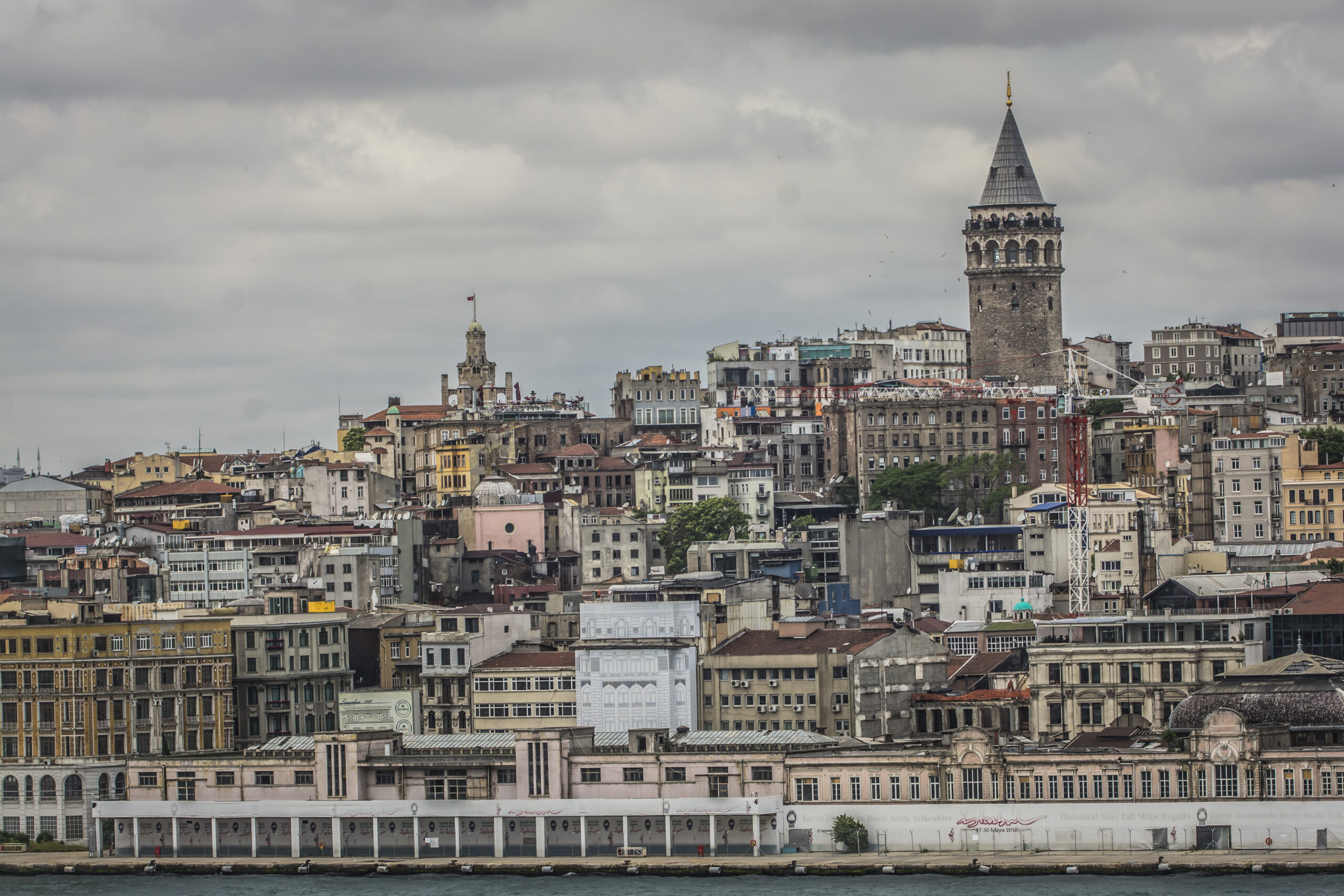
Located in Beyoğlu, the heart of Istanbul, Karaköy is a unique neighborhood that blends the legacy of the past with the energy of the present. With a deep-rooted history stretching from the Byzantine to the Ottoman Empire, it has been the city’s center of trade, maritime commerce, and culture for centuries.

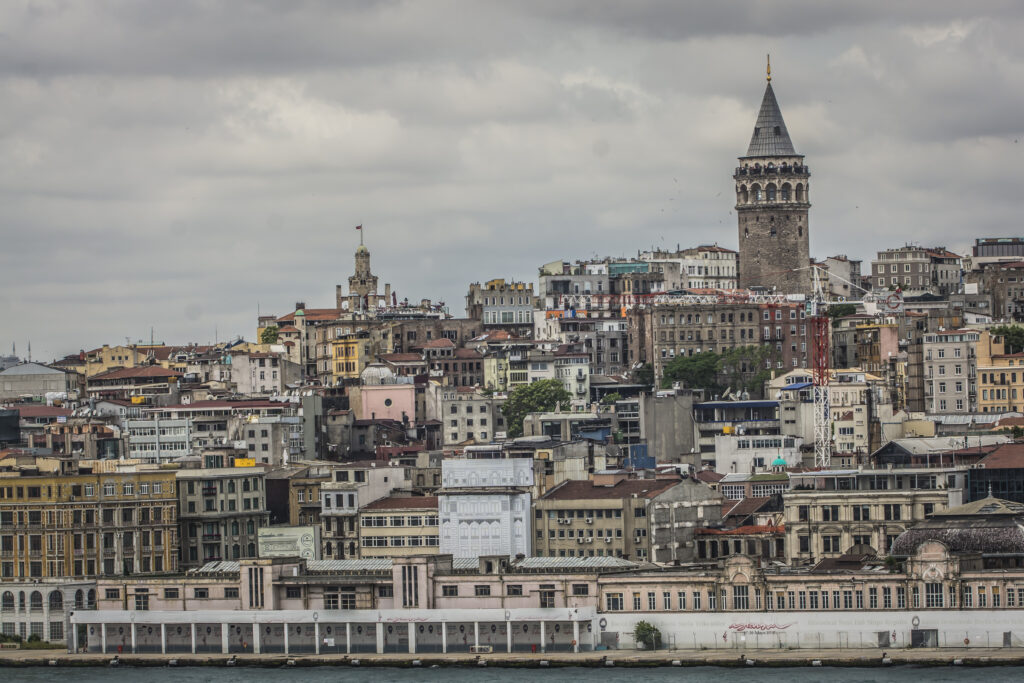
Once a port of empires, Karaköy is now one of the liveliest areas of modern Istanbul, with its art galleries, designer shops, cafes, and restaurants. Strolling through its narrow streets, you’ll sense the elegance of the past amidst the historic stone buildings, and experience the magic of Istanbul in the shadow of the Galata Tower.

Vita Hotel Galata is located at the heart of this atmosphere, offering its guests both the spirit of historical Istanbul and the comfort of the modern city.
The Name and Origin of Karaköy

The name Karaköy is thought to derive from the Turkish communities adhering to the “Karaite” sect of Judaism. Judaism reached the region through communities migrating from the Caspian Sea to Crimea, and the Karaites (or Karaites) lived in communities in and around Galata during the Byzantine period.

This cultural diversity continued during the Ottoman period, with Karaköy becoming a cosmopolitan center welcoming diverse faiths with its synagogues, churches, and schools. Today, traces of this multiculturalism can still be felt in the neighborhood’s architecture, streets, and atmosphere.

Karaköy in Ancient Times

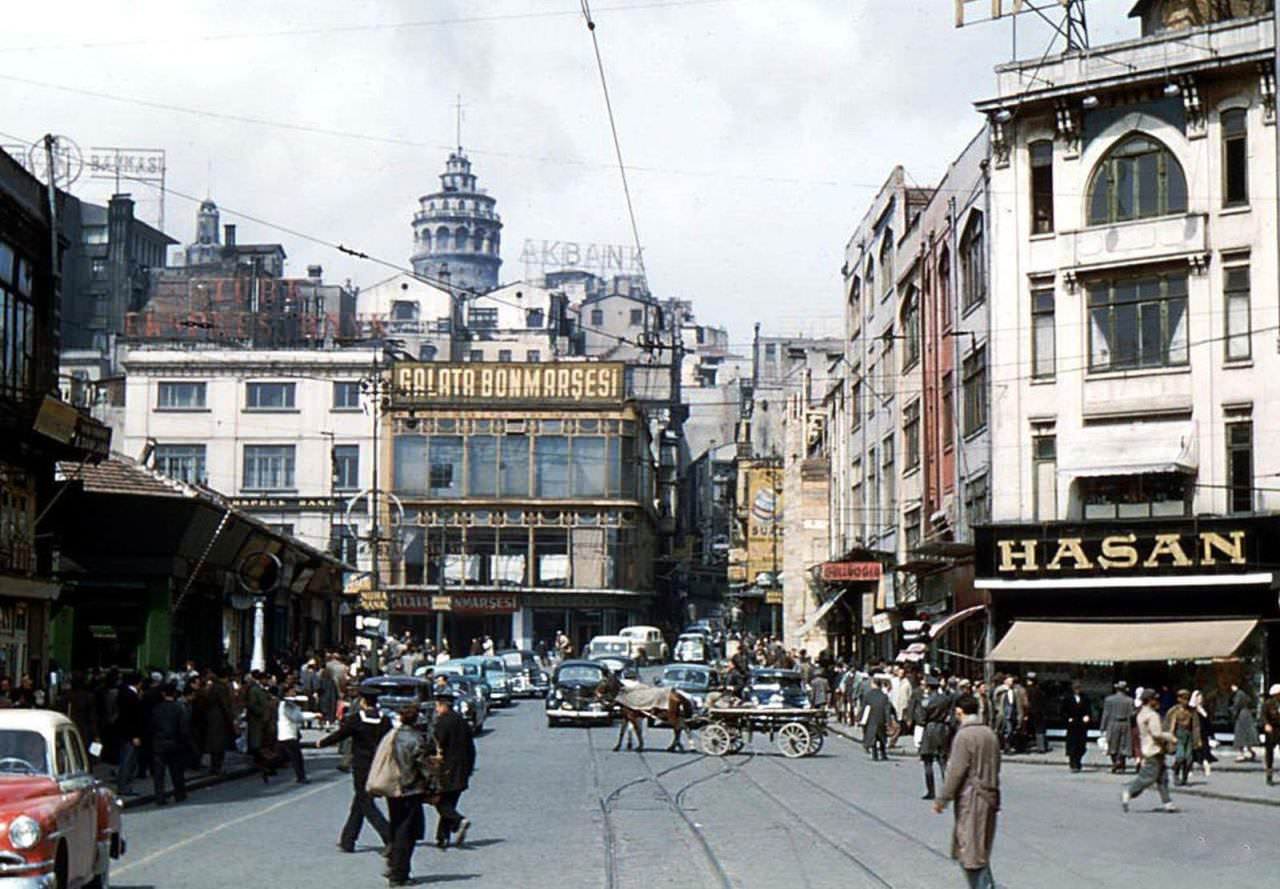
Karaköy has been important as a port city since the Byzantine period. In the Middle Ages, Genoese merchants settled in the Galata and Karaköy region; from the 11th century onward, they established trading colonies, transforming the region into a vibrant commercial center.

Over time, the Genoese surrounded Galata with city walls and began to refer to the area as “Pera.” For centuries, this region, where diverse cultures coexisted, became the trading artery of the empires and a center of multilingual, multifaith life.

Aynoros & The Roof Churches

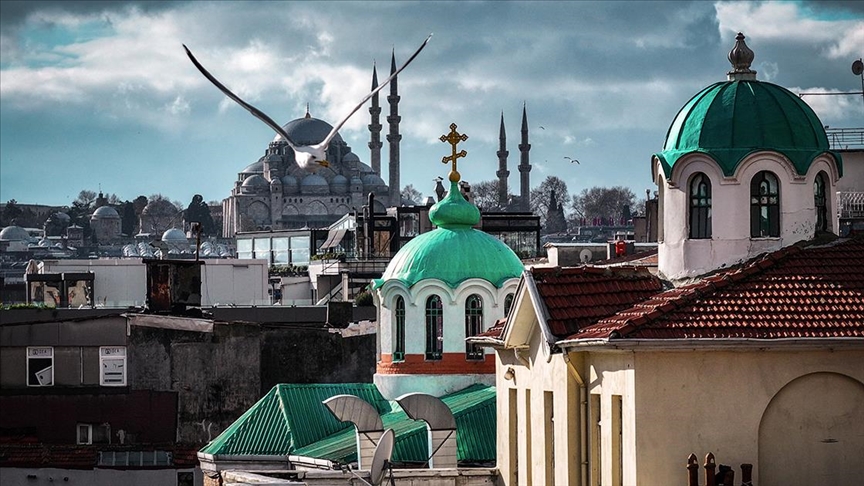
Since the Byzantine period, Karaköy Port has been a popular destination for “outsiders.” Guesthouses built for Russian pilgrims in the 19th century continue to preserve the region’s welcoming atmosphere and cultural diversity.

Aynoros (Mount Athos), one of the stops on these pilgrimages, is a sacred site inhabited only by men and has existed since the 10th century. For centuries, Karaköy has shaped the spirit of Istanbul as the intersection of such religious, commercial, and cultural exchanges.
Karaköy is a Unique District

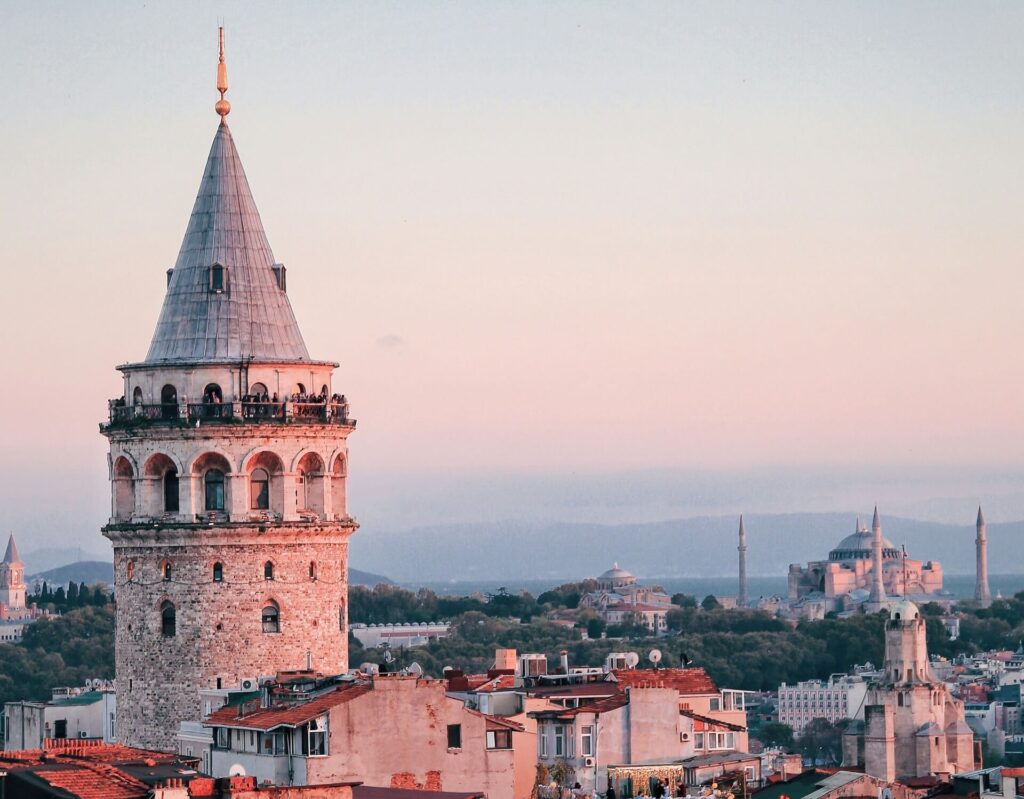
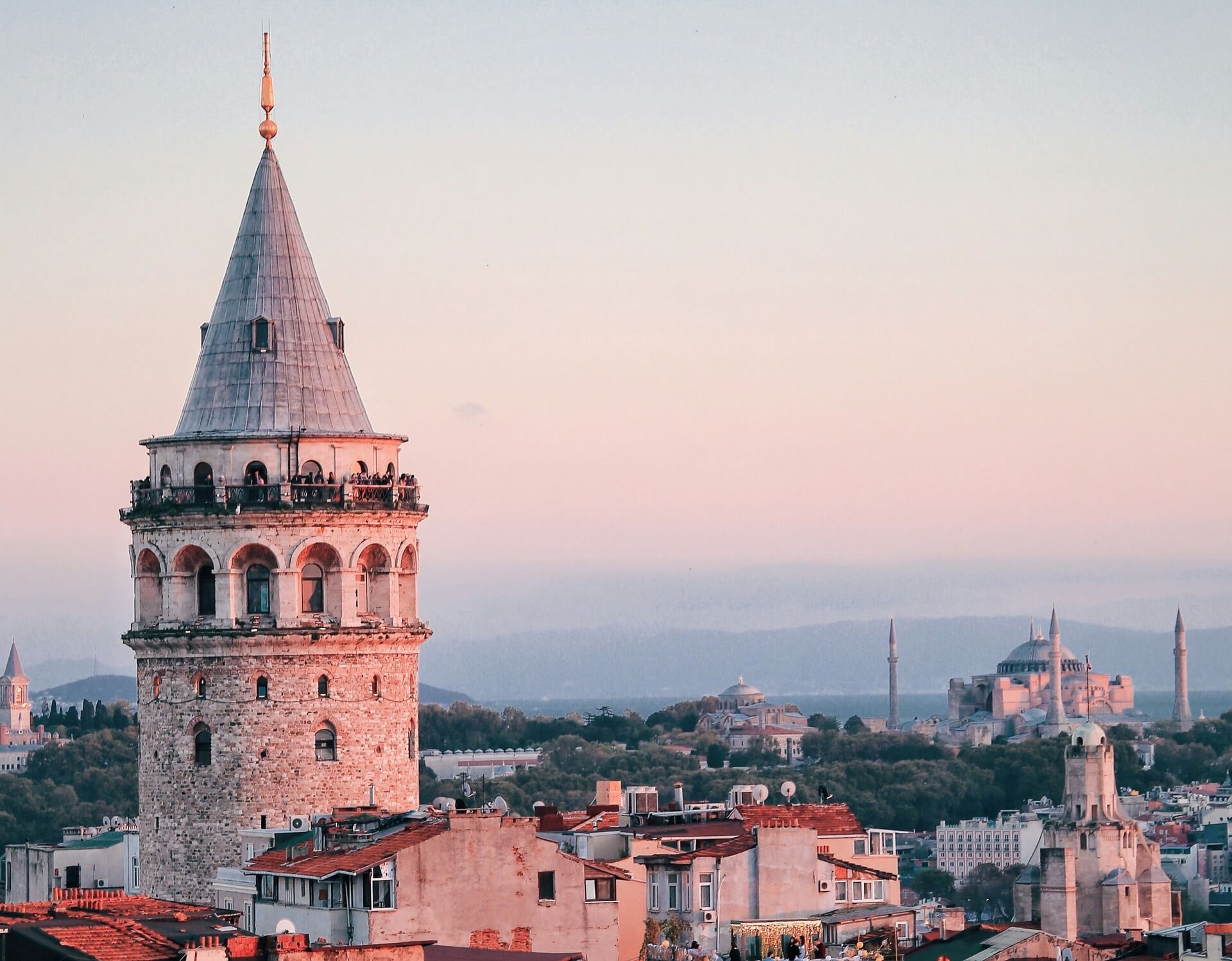
Located in Beyoğlu, the heart of Istanbul, Karaköy is a unique neighborhood that blends the legacy of the past with the energy of the present. With a deep-rooted history stretching from the Byzantine to the Ottoman Empire, it has been the city's center of trade, maritime commerce, and culture for centuries. Once a port of empires, Karaköy is now one of the liveliest areas of modern Istanbul, with its art galleries, designer shops, cafes, and restaurants. Strolling through its narrow streets, you'll sense the elegance of the past amidst the historic stone buildings, and experience the magic of Istanbul in the shadow of the Galata Tower. Vita Hotel Galata is located at the heart of this atmosphere, offering its guests both the spirit of historical Istanbul and the comfort of the modern city.

The Name and Origin of Karaköy

The name Karaköy is thought to derive from the Turkish communities adhering to the "Karaite" sect of Judaism. Judaism reached the region through communities migrating from the Caspian Sea to Crimea, and the Karaites (or Karaites) lived in communities in and around Galata during the Byzantine period.This cultural diversity continued during the Ottoman period, with Karaköy becoming a cosmopolitan center welcoming diverse faiths with its synagogues, churches, and schools. Today, traces of this multiculturalism can still be felt in the neighborhood's architecture, streets, and atmosphere.

Karaköy in Ancient Times

Karaköy has been important as a port city since the Byzantine period. In the Middle Ages, Genoese merchants settled in the Galata and Karaköy region; from the 11th century onward, they established trading colonies, transforming the region into a vibrant commercial center. Over time, the Genoese surrounded Galata with city walls and began to refer to the area as "Pera." For centuries, this region, where diverse cultures coexisted, became the trading artery of the empires and a center of multilingual, multifaith life.

Aynoros & The Roof Churches

Since the Byzantine period, Karaköy Port has been a popular destination for "outsiders." Guesthouses built for Russian pilgrims in the 19th century continue to preserve the region's welcoming atmosphere and cultural diversity. Aynoros (Mount Athos), one of the stops on these pilgrimages, is a sacred site inhabited only by men and has existed since the 10th century. For centuries, Karaköy has shaped the spirit of Istanbul as the intersection of such religious, commercial, and cultural exchanges.

PLACES TO DISCOVER IN KARAKÖY

Experience historical and modern Istanbul together.

The area surrounding Vita Hotel Galata has been at the center of Istanbul’s cultural, artistic, and historical circuit for centuries. From the Galata Tower to Salt Galata, to architectural monuments from the Ottoman and Byzantine periods, every corner of Karaköy tells a story.

Galata Tower

One of Istanbul’s most iconic structures, Galata Tower was built during the Byzantine period in the 6th century. Used for centuries as an observation tower, lighthouse, and defensive post, today it offers one of the city’s most captivating views.

Sokullu Mehmet Pasha Mosque

Reflecting the elegant style of Mimar Sinan, this mosque, located in the Azapkapı district, was commissioned by the daughter of Selim II and is one of the finest examples of classical Ottoman architecture.

Arab Mosque​

Tucked away among the narrow streets of Karaköy, this mosque stands out with its Gothic architecture and bell-tower-like minaret. Originally built as a church by the Dominicans, it was later converted into a mosque.

Salt Galata

Built in the 19th century as the Ottoman Bank, this building is today one of Istanbul’s most impressive cultural centers. With its library, exhibition halls, café, and restaurant, it’s an ideal stop for art lovers.

Galata Kulesi

One of Istanbul's most iconic structures, Galata Tower was built during the Byzantine period in the 6th century. Used for centuries as an observation tower, lighthouse, and defensive post, today it offers one of the city's most captivating views.
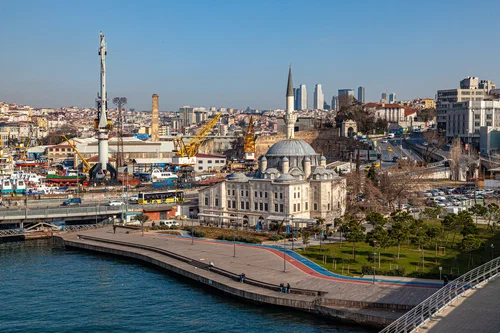
Sokullu Mehmet Pasha Mosque​

Reflecting the elegant style of Mimar Sinan, this mosque, located in the Azapkapı district, was commissioned by the daughter of Selim II and is one of the finest examples of classical Ottoman architecture.
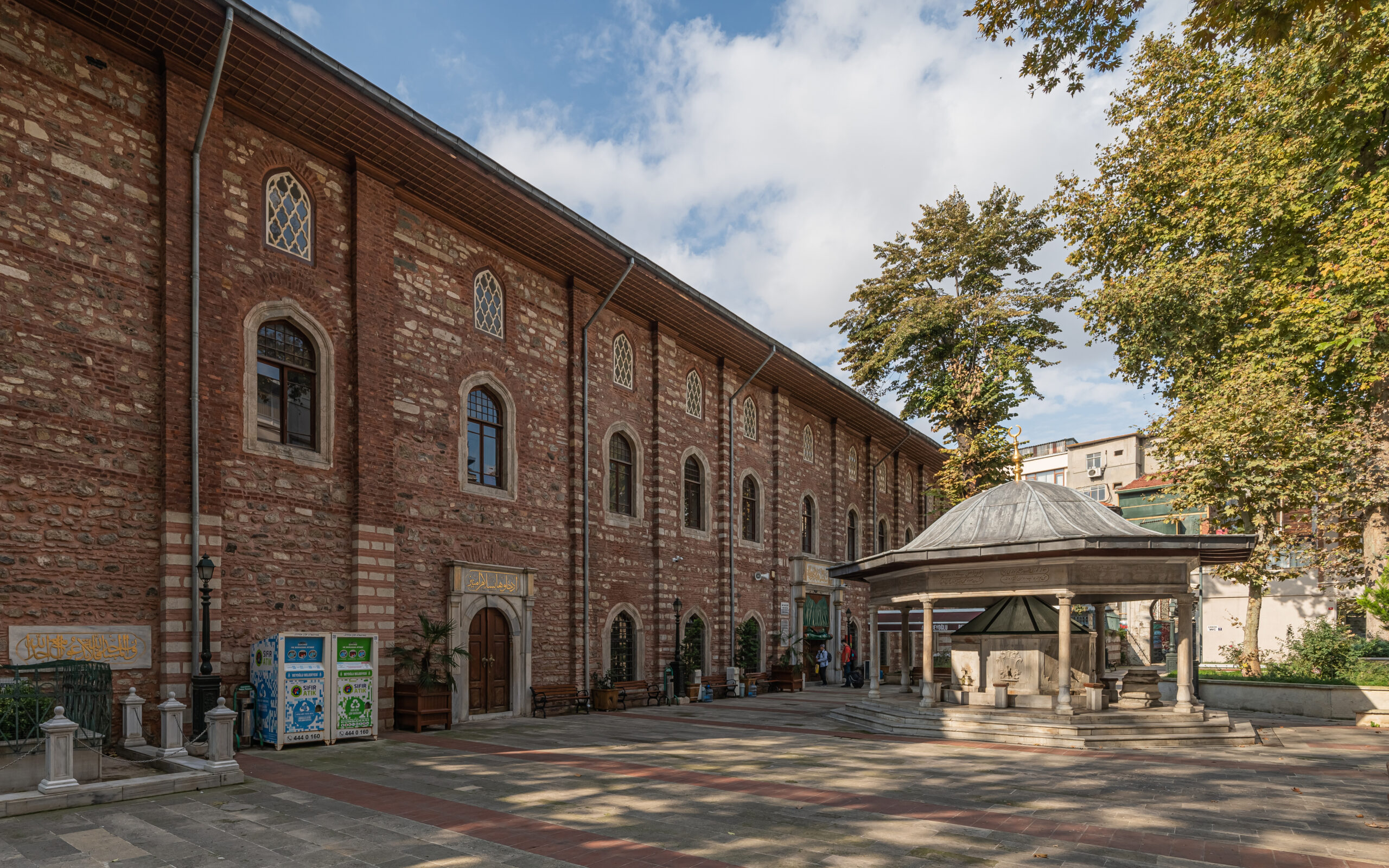
Arab Mosque​​

Tucked away among the narrow streets of Karaköy, this mosque stands out with its Gothic architecture and bell-tower-like minaret. Originally built as a church by the Dominicans, it was later converted into a mosque.
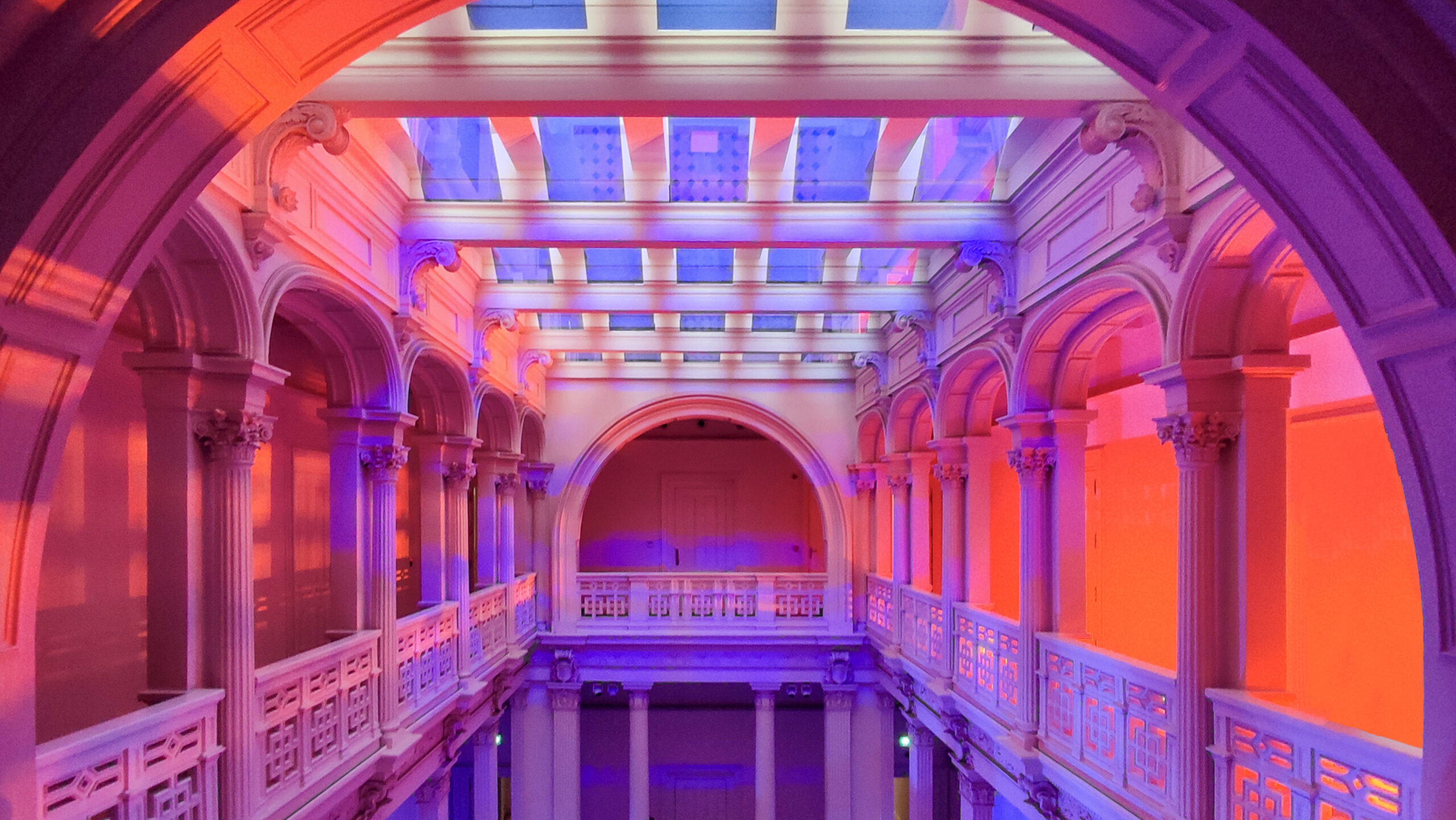
Salt Galata​

Built in the 19th century as the Ottoman Bank, this building is today one of Istanbul's most impressive cultural centers. With its library, exhibition halls, café, and restaurant, it's an ideal stop for art lovers.